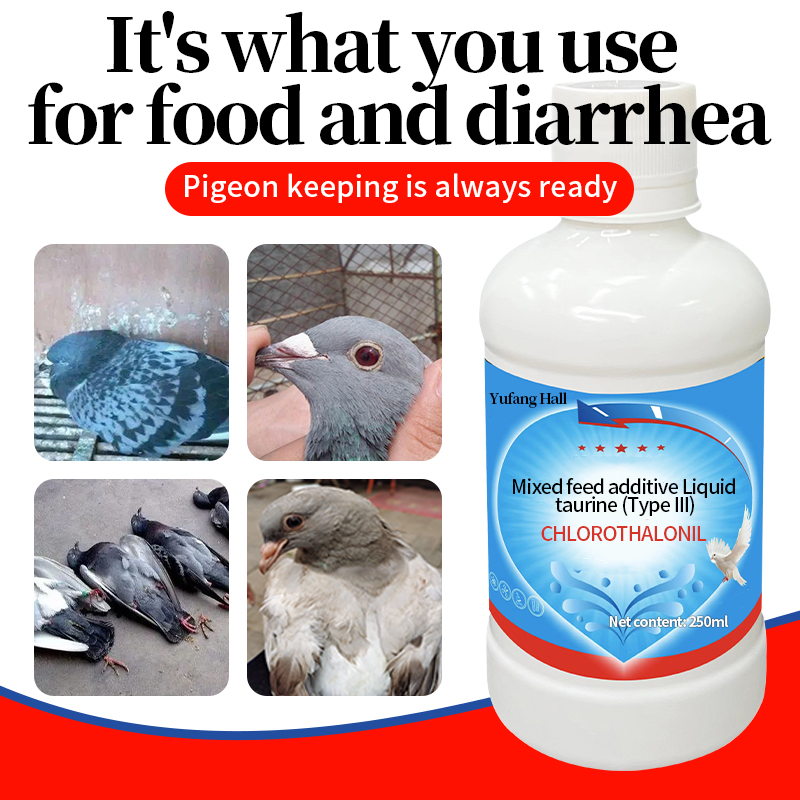
Breeding practice has shown that traditional Chinese medicine has unique advantages in poultry farming
The Unique Benefits of Chinese Herbal Feed Additives in Poultry Farming
Modern breeding practices have increasingly proven that Traditional Chinese Medicine (TCM) offers unique advantages in livestock and poultry farming. With growing concerns about drug resistance and residue in animal products, Chinese herbal feed additives have emerged as a natural, effective, and economical alternative to antibiotics and chemical-based growth promoters.
TCM has a long history in animal health, particularly for boosting immunity, promoting growth, and preventing common diseases. Chinese herbal medicines are now widely used as feed additives in poultry and livestock farming, helping farmers achieve better results while ensuring food safety and sustainability.
Unlike synthetic drugs, Chinese herbal additives are natural, biodegradable, and leave no harmful residues in meat or eggs. They also help enhance meat quality, improve digestion, and support overall metabolic function. These advantages make them an ideal choice for green and sustainable farming.
Below are five commonly used and effective Chinese herbal feed additives that are accessible, affordable, and highly beneficial in daily animal nutrition:
1. Orange Peel (Chen Pi)
Orange peel is widely used in TCM to regulate digestion and enhance appetite. In poultry and livestock, adding 3%–5% dried orange peel to the feed improves gut health, promotes food intake, and enhances growth rates. It also boosts the animal’s resistance to infections and supports the absorption of nutrients.
2. Garlic (Da Suan)
Garlic is a well-known natural antibiotic and immune booster. Rich in allicin and sulfur-containing compounds, garlic can be added (3%–5%) to the feed to stimulate appetite, combat intestinal infections, and improve growth performance. It also improves gut microbiota and helps prevent bacterial diseases naturally.
3. Purslane (Ma Chi Xian)
Purslane is both nutrient-dense and medicinal. It is high in vitamins A, C, and E, omega-3 fatty acids, and antioxidants. Including 2%–8% in feed enhances immune function, supports skin and organ health, and helps prevent diarrhea and other gastrointestinal issues. Its cooling properties also aid in balancing body heat in hot climates.
4. Cactus (Xian Ren Zhang)
Cactus is a traditional herbal remedy for detoxification and inflammation. In animal feeding, crushed cactus helps treat avian cholera, dysentery, and typhoid fever. It has antibacterial and immune-modulating effects and is especially effective during disease outbreaks. The plant is also rich in fiber, promoting digestive motility.
5. Dandelion (Pu Gong Ying)
Dandelion is another powerful herbal additive. It stimulates appetite, improves liver function, and boosts respiratory and digestive health. Adding 2%–3% dandelion powder to feed helps animals recover faster from illness and supports their daily performance. Its antibacterial and antiviral compounds help prevent respiratory diseases and improve overall wellness.
These herbal feed additives offer farmers a practical and sustainable way to promote the health, productivity, and quality of livestock and poultry. As global regulations tighten on the use of antibiotics in feed, Chinese herbs provide a safe and compliant alternative that doesn’t compromise on effectiveness.
At Yufangtang, we specialize in integrating these traditional herbs into modern veterinary products and feed solutions. Our expert formulations are designed to enhance animal health naturally, reduce reliance on antibiotics, and provide clean, safe meat and eggs for consumers.
Note: Always consult with animal health professionals before using any herbal feed additive. Dosage and effectiveness may vary depending on species, age, health condition, and farm environment.
Zhengzhou Yufangtang to Showcase Full-Line Animal Nutrition Solutions at 2025 Kazan International Agriculture & Food Exhibition
Related Article